

When life gets busy, health is the first thing people worry about. “Families throughout the country are grappling with rising medical costs, long hours at work, stress and lifestyle habits that slowly wear the body down. That is why millions of people are so worried about health problems in the USA. This book covers prevalent health concerns in the USA, why they’re important and what actions to take to protect yourself and your family.
At Health Topics (https://healthtopices.com/) we want to make health topics easy to understand so you can make wise choices. Let’s start.
Healthtopices: Health Problems in USA
Healthtopices is a health and wellness site that informs and raises awareness about important health problems in the USA. Our coverage includes several health themes such as mental health, heart health, obesity, sleep disorders and preventive health care. Our mission is to give helpful, easy to grasp health information to help readers with their well-being. As part of our Write For Us program, we also have health writers, bloggers and contributors.
HealthTopics offers Guest Posting and Backlink opportunities for people and organizations to submit quality health-related content and increase their online presence. To contribute content, collaborate or inquire about our services, please see our Write For Us and Contact Us pages. For dependable health information and the latest on health issues that concern Americans, visit HealthTopics.
Why Are Americans So Worried About Their Health?
There is much reason for Americans to worry. America spends more on health care than virtually any other country, and yet many individuals still suffer from long term illness. A few significant factors come to mind:
Many persons live with more than one health issue simultaneously. Even with insurance, medical treatment can be highly pricey for people. Busy schedules offer little time for exercise, home cooking, or sleep. More people are living with age related sickness, as we have an older population.
When you throw in stress and the ready access to fast food, it’s simple to see why health problems just keep expanding. The good news is that many can be prevented or treated with early effort.
Heart Disease in USA
Heart disease is the #1 killer in the USA, killing nearly one in five people who die each year. This includes clogged arteries, heart attacks, heart failure and irregular heartbeats.
Sitting down for lengthy durations is one of the newer risk factors for heart disease even when we are exercising and eating well. “People should know that sitting for more than six hours a day, without moving, is as great a risk for heart disease as smoking”.
Eat more fruits, veggies and whole grains to improve heart health. Walk every day. Don’t smoke. See your doctor for frequent checks. Big differences are made by small habits done daily.
Obesity: A Growing National Concern
About four in ten American adults are obese, and it’s rising among youngsters, too. It is not about appearance. Being overweight puts you at higher risk for heart disease, type 2 diabetes, sleep issues, joint pain, and several malignancies.
Obesity has a number of causes. Large amounts of food, sugary drinks, processed snacks, long hours of sitting and stress all contribute. In some places, fresh and wholesome food is hard to find—or out of reach.
You don’t need drastic diets to improve your health. Start small things like drinking more water, cooking at home more, moving your body for at least 30 minutes most days. You will have more energy and lower health risks even if you lose a few pounds.
High Blood Pressure: The Silent Danger
Nearly half of all individuals in the country have high blood pressure. It is commonly termed the silent killer as most people have no symptoms. Over time it can damage the heart, brain, kidneys and eyes.
Too much salt, stress, lack of exercise and being overweight can elevate your blood pressure. In addition, some people inherit a higher risk from their family.
The greatest approach to protect yourself is to check your blood pressure often. Many pharmacies have free equipment and home monitors are easy to use. If your levels are high, your doctor may prescribe adjustments to your diet, exercise or medication.
Chronic Respiratory Diseases
Chronic respiratory diseases include asthma, chronic bronchitis and COPD. They make it difficult to breathe. They generally worsen over time. Smoking is the main culprit but air pollution, dust, chemicals at work and allergies can also contribute.
Life with these illnesses might hinder daily activities such as climbing stairs, playing with children or even sleeping soundly. There is no cure for chronic respiratory disorders. Treatments can help open blocked air passageways, alleviate shortness of breath and help regulate symptoms, so increasing the quality of life for patients with the disease.
Respiratory Problems in Daily Life
Not all respiratory problems are chronic diseases. Common respiratory problems such as colds, flu, sinus infections, and seasonal coughs impact millions of Americans each year. These disorders can spread rapidly in schools and workplaces.
Washing your hands, staying up to date on vaccines, keeping your living space clean and getting rest when you aren’t feeling well will help reduce your risk. If your cough lasts for weeks or you feel short of breath, consult a doctor straight away.
Mental Health Problems
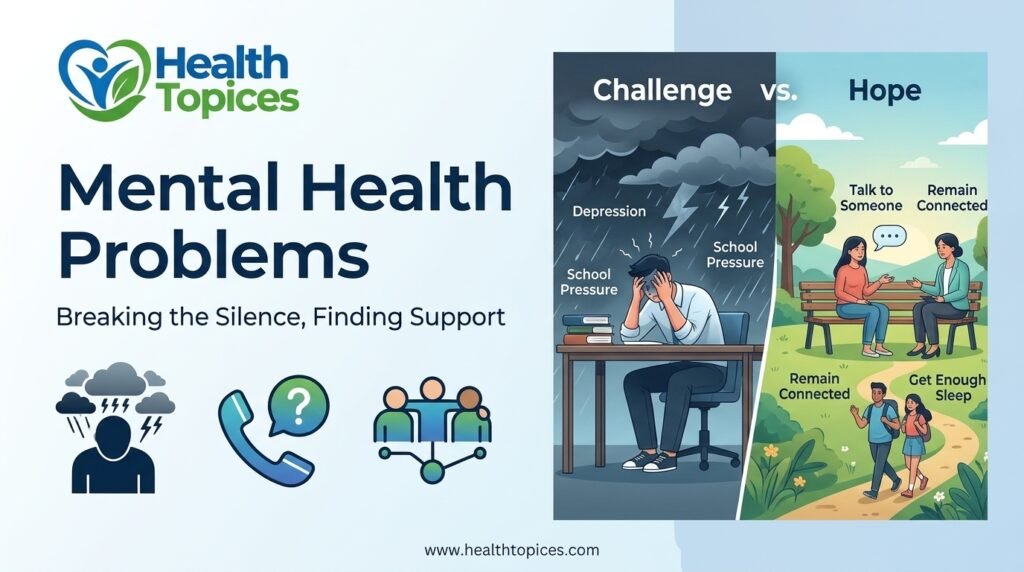
Mental health issues are one of the most addressed health subjects nowadays. One in five adults in the country has a mental health issue each year. Depression, stress and burnout are very frequent and a lot of young people feel the burden of school, social media and an unclear future.
Fear or shame keeps many people from asking for help until it is too late. But mental health is equally as vital as physical health. This can be helped by talking to a counselor, remaining connected with friends, getting enough sleep and spending time outdoors. Talk to someone you trust. Call a local support line. If you ever feel hopeless.
Anxiety Disorder
An Anxiety disorder is more than just a typical worry. It creates a permanent fear or uneasiness which never goes away. Symptoms include a fast heartbeat, problems concentrating, feeling restless, an upset stomach and avoiding specific places or circumstances.
It’s one of the most common mental health disorders in the country. The good news is that it can be treated. Therapy, breathing exercises, regular physical activity, less caffeine and sometimes medicine can really help. The earlier you get help, the better you’ll feel.
Sleep Disorder
Sleep disorder can silently ruin your entire life. Millions of Americans suffer from insomnia, sleep apnea or restless legs. Sleep deprivation can impact your mood, memory, weight and heart health.
If you wake up exhausted, snore loudly or lie awake at nite, you may need help. Go to bed at the same time every day, keep screens out of your room before bed, and don’t eat heavy meals late at nite. If the problems persist, consult a doctor. Sleep disorders sometimes go hand-in-hand with other health conditions.
Digestive Health Problems
Digestive health issues are quite frequent and sometimes overlooked. These include acid reflux, constipation, bloating, irritable bowel syndrome, ulcers and food intolerances. Poor diet, stress, insufficient fiber intake and not drinking enough water might aggravate them.
Eat more fiber, drink plenty of water, and chew your meal slowly to help your intestines. If oily or spicy foods bother your stomach, reduce. See a doctor promptly if you see blood in your stool, lose weight suddenly, or have persistent stomach pain.
Skin Allergies
Skin allergies are found in all age groups. They can show up as rashes, itching, redness, hives or dry, cracked skin. Typical triggers include particular meals, pet dander, pollen, strong soaps, cosmetics, and some materials.
Eczema and contact allergies are particularly common in children. To control them, figure out what triggers your skin, use soft and fragrance free products, keep your skin hydrated, and don’t scratch. A dermatologist can help you locate the best treatment.
Joint and Bone Problems
Older folks are more likely to develop joint and bone problems, although younger adults might also experience them. Some of the common causes of pain and reduced movement are arthritis, back discomfort, sports injuries and osteoporosis.
Strong bones need calcium, vitamin D and exercise regularly. walking, stretching and modest strength exercise help keep the joints supple. Keeping your weight at a healthy level also takes pressure off your knees and hips. Don’t ignore the pain. Treating it early can avert larger problems later on.
Neurological Health Problems
Neurological Health Problems affect the brain, spinal cord and nerves. These include migraine, stroke, epilepsy, Parkinson’s and Alzheimer’s disease. Memory loss and dementia is an increasing concern for families as more Americans live longer.
Some hazards can’t be altered, but you can protect your brain by staying active, eating healthily, managing blood pressure, getting enough sleep and keeping your mind engaged with reading, puzzles or learning new skills. Sudden weakness, problems speaking or a strong headache require immediate emergency care.
Men’s Health Problems
Health for Men Problems go neglected because many guys avoid the doctor. Heart disease, prostate problems, low testosterone, severe stress and mental health disorders are common. Men also tend to talk less about their sentiments.
Life can be saved by regular checkups, proper nutrition, daily exercising, and open communication. If you’re a man older than 40, chat with your doctor about screening tests for blood pressure, cholesterol, diabetes and prostate health.
Women’s Health Problems
Women’s Health Problems include breast cancer, cervical health, pregnancy troubles, menopause symptoms, thyroid concerns, bone loss. Women also have higher risks of anxiety, sadness and autoimmune diseases.
Mammograms, cervical examinations and other routine screening tests are highly significant. Women should also watch for changes in their body, take care of stress and acquire enough calcium and iron. Don’t delay care because you are busy caring for others. Your health is important too.
Simple Daily Habits for Better Health
You don’t have to live a flawless lifestyle to feel great. Try these simple habits:
- Cook more meals at home using fresh ingredients.
- Get your body moving every day, even if it’s just a little walk.
- Cut back on sugary drinks and drink plenty of water.
- Get seven to eight hours of sleep a nite.
- Spend time away from screens and with people you love.
- Get frequent checkups, don’t skip screenings.
Doing little things each day can lessen your risk of just about every condition discussed in this article.
Conclusion
Health problems in the USA range widely from heart disease and obesity to mental health, sleep, digestion, and skin disorders. Most of these problems are connected and many can be prevented with proper care and good daily practices. You don’t have to battle them alone. Be aware, listen to your body, and consult a skilled doctor when something feels wrong.
Your health is your biggest asset. Make one tiny adjustment today. Keep learning about Health Topices.
FAQS
1. How widespread is diabetes in America?
Diabetes is a major public health problem in the United States. It may cause difficulties including the heart, kidneys, eyes, and nerves. Type 2 diabetes is especially linked to obesity, genetics and lifestyle factors.
2. Is heart disease a big problem in the United States?
Yes. Heart disease is the No. 1 killer in the United States. Risk factors include smoking, high cholesterol, high blood pressure, obesity, physical inactivity and diabetes.
3. What makes healthcare so expensive in the USA?
There are many reasons why healthcare prices are high . These include expensive prescription drugs , hospital services , insurance fees , administrative costs and specialist visits . Such expenses can make it impossible for some Americans to get the medical care they need.